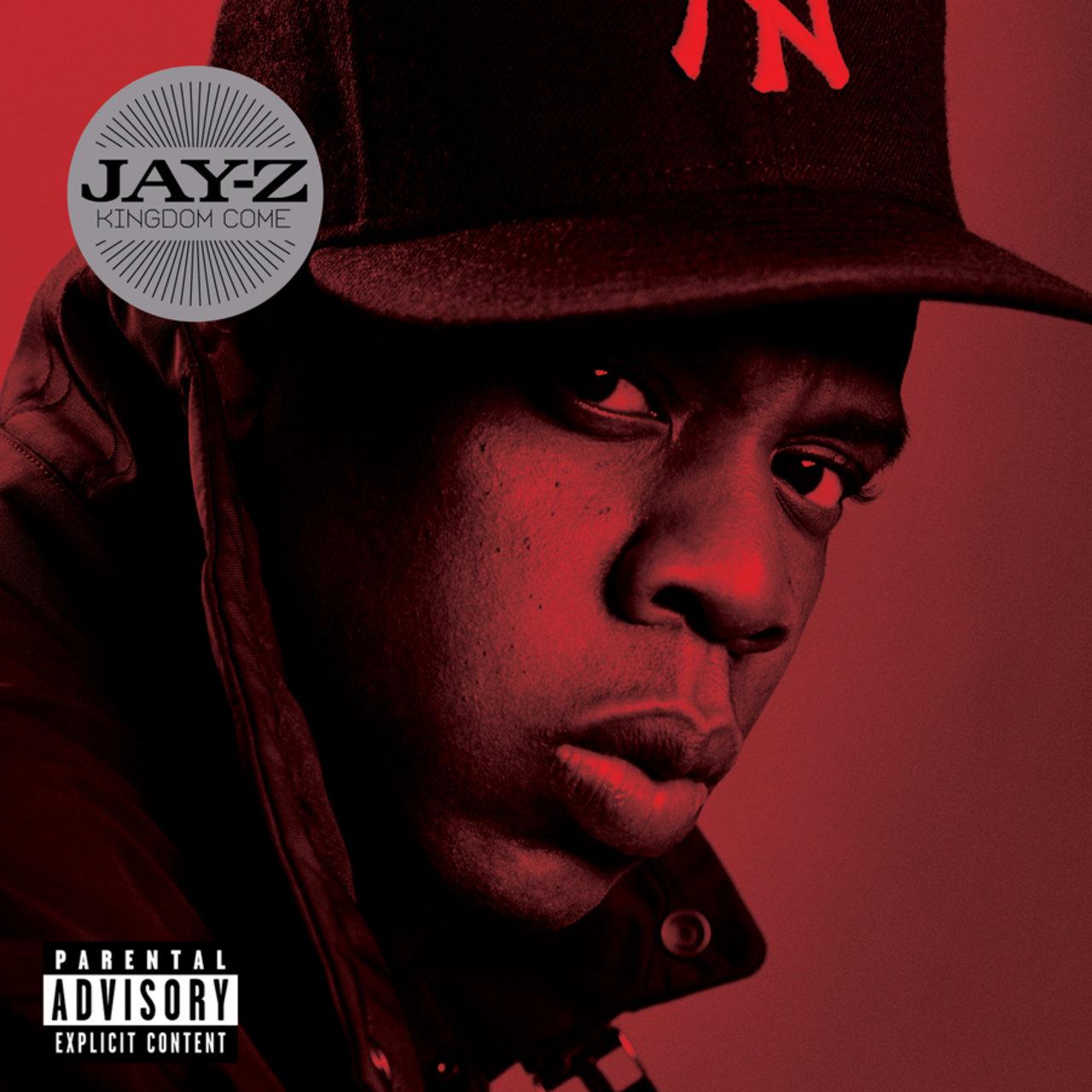
November 21, 2006, marked a significant moment in hip-hop history as Jay-Z released his ninth studio album, Kingdom Come. Twenty years later, the project remains one of the most interesting and debated albums in his legendary catalog. After announcing his retirement following 2003’s The Black Album, Jay-Z returned to the microphone with something to prove.
At the time, hip-hop was changing rapidly. Southern rap was dominating the charts, younger artists were making their mark, and the music industry was transitioning into a new era. Jay-Z had already established himself as one of the greatest rappers of all time, but Kingdom Come presented a different challenge. Could a rapper who had seemingly accomplished everything return from retirement and reclaim his position at the top?
The answer came in the form of a 14-track album featuring production from Dr. Dre, Just Blaze, Kanye West, The Neptunes, and others. Although the album received mixed reactions, it became another commercial success for the Brooklyn legend.
As Kingdom Come celebrates its 20th anniversary, we’re revisiting the music, the memorable tracks, the criticism, and the legacy of Jay-Z’s highly anticipated comeback.
Jay-Z Returns From Retirement
When Jay-Z released The Black Album in November 2003, he promoted it as his final studio album. Songs such as “99 Problems,” “Dirt Off Your Shoulder,” and “Encore” helped make the project an instant classic.
However, retirement didn’t mean Jay-Z disappeared from the music industry. He became president of Def Jam Recordings, continued making guest appearances, and expanded his business empire.
By 2006, fans were ready for another solo project.
The title Kingdom Come was inspired by the Superman comic-book storyline of the same name, fitting the concept of a superhero returning when the world needed him. Jay-Z wasn’t simply returning to rap. He was returning as an older, wealthier, and more established figure than the artist fans had followed throughout the late 1990s and early 2000s.
That transformation would become one of the album’s defining themes.
Show Me What You Got Introduced the Comeback
The album’s lead single, “Show Me What You Got,” arrived with production from Just Blaze and a prominent horn-driven beat.
The track sampled “Show ‘Em Whatcha Got” by Public Enemy and incorporated elements of Johnny Pate’s “Shaft in Africa.” Its energetic production made it a natural choice to announce Jay-Z’s return.
The accompanying music video featured luxury cars, glamorous locations, and appearances from racing stars Danica Patrick and Dale Earnhardt Jr.
The record reached No. 8 on the Billboard Hot 100 and helped build excitement for the album.
Although the single wasn’t universally embraced, it accomplished its main objective: letting the hip-hop world know Jay-Z was back.
The Standout Tracks on Kingdom Come
While Kingdom Come may not receive the same recognition as Reasonable Doubt, The Blueprint, or The Black Album, several tracks deserve recognition.
- The Prelude
Jay-Z opens the album by addressing his return, his accomplishments, and his place in the rap industry. The production from B-Money sets the tone for a project centered on success, maturity, and reflection.
- Oh My God
Produced by Just Blaze, “Oh My God” features a powerful, dramatic beat and Jay-Z delivering confident verses about his journey from the streets of Brooklyn to international superstardom.
- Kingdom Come
The title track, produced by Just Blaze, samples Rick James’ “Super Freak” and brings an energetic, triumphant feeling to the album. Jay-Z uses the record to reinforce his position in hip-hop.
- Lost One featuring Chrisette Michele
One of the album’s strongest songs, “Lost One” finds Jay-Z reflecting on relationships, sacrifices, and the personal costs of success.
The soulful production from Dr. Dre and Chrisette Michele’s vocals creates an emotional atmosphere that stands apart from the album’s more aggressive records.
- Do U Wanna Ride featuring John Legend
This reflective track pays tribute to Jay-Z’s longtime friend Emory Jones, who was incarcerated at the time. The Kanye West production and John Legend’s vocals give the song a warm, soulful sound.
It’s one of the album’s most personal moments.
- Minority Report featuring Ne-Yo
“Minority Report” addresses the aftermath of Hurricane Katrina and the government’s response to the disaster.
Jay-Z uses the song to discuss inequality, suffering, and the struggles faced by residents of New Orleans. It’s a reminder that his music could extend beyond wealth, fame, and industry competition.
- Beach Chair featuring Chris Martin
Produced by Coldplay’s Chris Martin, “Beach Chair” closes the album with Jay-Z reflecting on mortality, fatherhood, legacy, and the future.
The song provides an introspective ending to a project that frequently examines what happens after an artist achieves extraordinary success.
The Production Behind Kingdom Come
One of the album’s biggest selling points was its impressive production lineup.
Just Blaze provided some of the project’s most energetic records, while Dr. Dre contributed a polished West Coast-influenced sound to tracks including “Lost One,” “30 Something,” “Trouble,” and “I Made It.”
Kanye West brought soulful production to “Do U Wanna Ride,” while The Neptunes contributed the distinctive sound of “Anything.”
The album blended traditional East Coast hip-hop, soul samples, polished commercial production, and experimental sounds.
However, that variety also contributed to some of the criticism. While individual songs stood out, some listeners felt the album lacked the consistency and cohesive direction of Jay-Z’s greatest projects.
Commercial Success Despite Mixed Reviews
Despite the mixed critical reception, Kingdom Come was a major commercial success.
The album debuted at No. 1 on the Billboard 200, selling approximately 680,000 copies during its first week in the United States. It eventually earned double-platinum certification from the Recording Industry Association of America.
Those numbers demonstrated that Jay-Z remained one of the biggest names in music, even after stepping away from releasing solo albums.
Still, many fans compared Kingdom Come to his previous classics. The expectations were enormous, especially after the success of The Black Album.
For some listeners, the comeback didn’t quite reach those heights.
For others, the album represented a natural evolution for an artist entering a different stage of his life.
How Kingdom Come Fits Into Jay-Z’s Legacy
Looking back 20 years later, Kingdom Come represents an important transition in Jay-Z’s career.
Throughout the 1990s and early 2000s, Jay-Z built his reputation on street storytelling, clever wordplay, and his ability to create commercially successful records without abandoning his lyrical foundation.
By 2006, his circumstances had changed.
He was no longer simply the hustler from Marcy Projects. He was a businessman, record executive, and global superstar.
That evolution influenced the album’s content.
Songs such as “30 Something” addressed growing older in hip-hop, while “Lost One” and “Beach Chair” explored the sacrifices and responsibilities that accompany success.
In many ways, Kingdom Come helped establish the foundation for the mature perspective Jay-Z would explore on later albums, particularly 4:44 in 2017.
The album also earned a Grammy nomination for Best Rap Album, further demonstrating its significance despite the divided critical response.
Is Kingdom Come an Underrated Jay-Z Album?
Twenty years later, this remains an interesting question.
Some hip-hop fans consider Kingdom Come one of Jay-Z’s weakest projects. Others believe the album deserves more appreciation because of its production, personal subject matter, and standout records.
Personally, I believe Kingdom Come wasn’t one of my favorite albums to drop in 2006 or from Jay-Z. Trust me, I’ve received a lot of hate for saying it, but it’s just my opinion.
Is it on the same level as Reasonable Doubt, The Blueprint, or The Black Album? No. Those albums helped define Jay-Z’s greatness.
However, records such as “Lost One,” “Do U Wanna Ride,” “Kingdom Come,” and “Minority Report” demonstrate why Jay-Z remained one of hip-hop’s most important artists.
The album wasn’t perfect, but it showed a different side of an established legend.
Sometimes, appreciating an album means understanding where the artist was in life when it was created.
Celebrating 20 Years of Kingdom Come
On November 21, 2026, Kingdom Come officially turns 20 years old.
The album may not be Jay-Z’s most celebrated release, but its importance shouldn’t be overlooked. It marked his return from retirement, delivered his biggest first-week sales total up to that point, and demonstrated that hip-hop artists could continue evolving as they grew older.
Most importantly, Kingdom Come proved Jay-Z wasn’t finished.
He followed the project with American Gangster in 2007 and continued adding to one of the greatest catalogs in hip-hop history.
Two decades later, Kingdom Come remains a fascinating chapter in the career of Shawn Carter. Recently, it was announced that Jay-Z will be the featured performer at Super Bowl LXI.
Happy 20th anniversary to Jay-Z’s Kingdom Come!
What are your thoughts on the album 20 years later? Do you consider it underrated, or does it deserve its reputation as one of Jay-Z’s weaker projects? What’s your favorite track?
Drop your thoughts in the comments and keep checking Sports and Music Dad for more classic hip-hop album anniversaries, throwback features, and music discussions. Check out the track listing and stream link for the Kingdom Come album below.
- The Prelude
- Oh My God
- Kingdom Come
- Show Me What You Got
- Lost One ft. Chrisette Michele
- Do U Wanna Ride ft. John Legend
- 30 Something
- I Made It
- Anything ft. Usher & Pharrell
- Hollywood ft. Beyonce
- Trouble
- Dig a Hole ft. Sterling Simms
- Minority Report ft. Ne-Yo
- Beach Chair ft. Chris Martin