
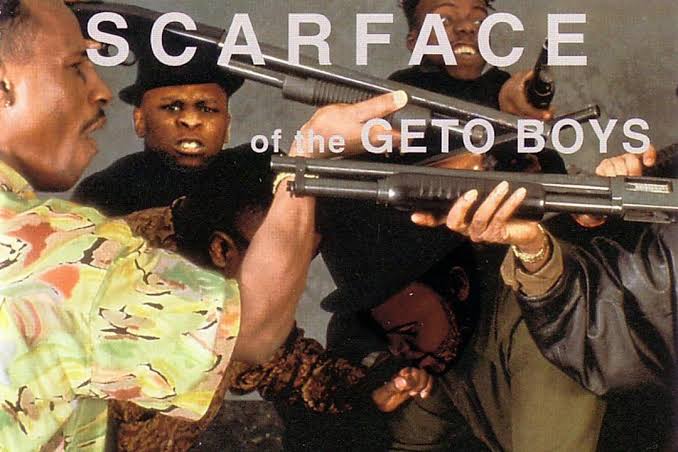
Hip-hop has produced plenty of legendary debut albums, but few introduced an artist quite like Scarface’s Mr. Scarface Is Back. Released in October 1991, the album officially launched Scarface’s solo career while he was already establishing himself as a standout member of the Geto Boys. Thirty-five years later, the project remains an important piece of Houston rap history and an early example of just how powerful Southern hip-hop could be.
Scarface would eventually build one of the most respected catalogs in hip-hop, but Mr. Scarface Is Back gave listeners an early look at many of the qualities that would define his career: vivid storytelling, dark production, street realism, introspection and an ability to make listeners feel like they were standing inside the stories he told.
Scarface Was Already Making His Mark
Before becoming a successful solo artist, Brad “Scarface” Jordan was making noise alongside Willie D and Bushwick Bill as a member of the Geto Boys.
The group’s 1991 album We Can’t Be Stopped helped push Houston hip-hop further into the national spotlight, especially with the success of “Mind Playing Tricks on Me.” Scarface’s verses on the song demonstrated something that separated him from many rappers of the era. He wasn’t simply telling street stories—he was willing to explore paranoia, fear and the psychological consequences of that lifestyle.
Those qualities became even more prominent when Scarface stepped out on his own.
Mr. Scarface Is Back Introduced a Different Kind of Storyteller
From the opening title track, Mr. Scarface Is Back establishes an atmosphere that is dark, cinematic and uncompromising.
Scarface could sound intimidating one minute and vulnerable the next. Instead of presenting every street character as untouchable, his stories frequently showed consequences. Violence, drugs, money and power weren’t always portrayed as paths to glamorous lifestyles. They could also lead to paranoia, destruction, regret and death.
That complexity helped make Scarface one of rap’s great storytellers.
The 12-track album includes “Mr. Scarface,” “Born Killer,” “Murder by Reason of Insanity,” “Diary of a Madman,” “Money and the Power,” “Good Girl Gone Bad,” “A Minute to Pray and a Second to Die” and “I’m Dead.”
“A Minute to Pray and a Second to Die”
One of the album’s essential moments is “A Minute to Pray and a Second to Die.”
The record illustrates what made Scarface different. Rather than simply focusing on the excitement or danger surrounding street life, he examines its cost. The song deals with the destructive cycle created by drugs and violence and carries the kind of somber perspective that would become an important part of Scarface’s music throughout his career.
That ability to examine consequences would later become even more apparent on albums such as The Diary and The Fix.
Listening 35 years later, you can hear the foundation being established right here.
Houston Had Something to Say
Today, Southern hip-hop is one of the dominant forces in music. Atlanta, Houston, Memphis, New Orleans and other Southern cities have produced countless superstars and helped shape the sound of modern rap.
That wasn’t necessarily the case nationally in 1991.
New York and Los Angeles commanded much of mainstream hip-hop’s attention. Scarface and the Geto Boys helped prove that important rap music wasn’t limited to either coast.
Mr. Scarface Is Back sounded like Houston.
The album was recorded in Houston and featured production contributions credited to Scarface and members of the Rap-A-Lot production circle, helping create the hard, funk-driven atmosphere surrounding his storytelling.
Scarface didn’t need to imitate what was happening elsewhere. He helped establish his own city’s identity.
The Songs Still Hit Hard
A major reason Mr. Scarface Is Back remains worth revisiting is the consistency of the album.
The title track immediately establishes Scarface’s character and storytelling ability. “Born Killer” brings relentless energy while diving into an increasingly disturbed mental state. “Money and the Power” examines two forces that have always played major roles in street narratives.
Then you have records such as “Good Girl Gone Bad” and “A Minute to Pray and a Second to Die,” where Scarface’s storytelling takes center stage.
The production feels unmistakably early-’90s, but that is part of the album’s appeal. Heavy drums, funk samples and ominous musical backdrops give Scarface plenty of room to paint his pictures.
It’s raw Houston rap before Southern hip-hop became a dominant commercial force.
The Beginning of an Incredible Solo Career
What makes the album even more interesting 35 years later is knowing what came afterward.
Scarface followed his debut with The World Is Yours in 1993 before releasing The Diary in 1994. His discography would eventually include projects such as The Untouchable, Last of a Dying Breed, The Fix and Deeply Rooted.
Through all those releases, Scarface continued developing the traits listeners first heard on his debut.
He could make aggressive street records, but he was just as comfortable discussing mortality, depression, faith, relationships and the consequences of life’s decisions.
That depth gave his music staying power.
An Album That Helped Build Southern Hip-Hop
When discussing the growth of Southern hip-hop, albums such as Mr. Scarface Is Back deserve their place in the conversation. Mr. Scarface is Back happens to be one of my favorite Scarface albums.
Scarface showed that an artist from Houston could create music rooted deeply in his hometown while connecting with listeners across the country. More importantly, he demonstrated that gangsta rap could contain vulnerability and introspection without sacrificing its edge.
That’s a balance generations of rappers would continue exploring.
The album’s reputation has endured as well. AllMusic has described the project as one of the early standout works of the gangsta-rap era, while anniversary retrospectives continue to highlight Scarface’s ability to move between menace, psychological turmoil and reflection.
35 Years Later
Thirty-five years is a long time in hip-hop.
Styles change. Production changes. Entire generations of artists come and go. But great storytelling doesn’t have an expiration date.
That’s why Mr. Scarface Is Back remains worth celebrating.
It wasn’t simply the beginning of Scarface’s solo career. It was another important step in Houston establishing itself as a major hip-hop city and Scarface establishing himself as one of rap’s premier storytellers.
For longtime fans, the 35th anniversary is the perfect excuse to revisit the album from beginning to end. For younger hip-hop fans who only know Scarface by reputation, this is an excellent place to hear where his solo journey began.
Thirty-five years later, Mr. Scarface is still back—and the album still demands respect. Check out the track listing and stream link to the Mr. Scarface is Back below.
What are your favorite tracks from Mr. Scarface Is Back? Where does the album rank among Scarface’s greatest projects? Let us know in the comments at Sports and Music Dad site.
- Scarface
- The Pimp
- Born Killer
- Murder by Reason of Insanity
- Your Ass Got Took
- Diary of a Madman
- Body Snatchers
- Money and the Power
- P D Roll Em
- Good Girl Gone Bad
- A Minute to Pray and a Second to Die
- I’m Dead